
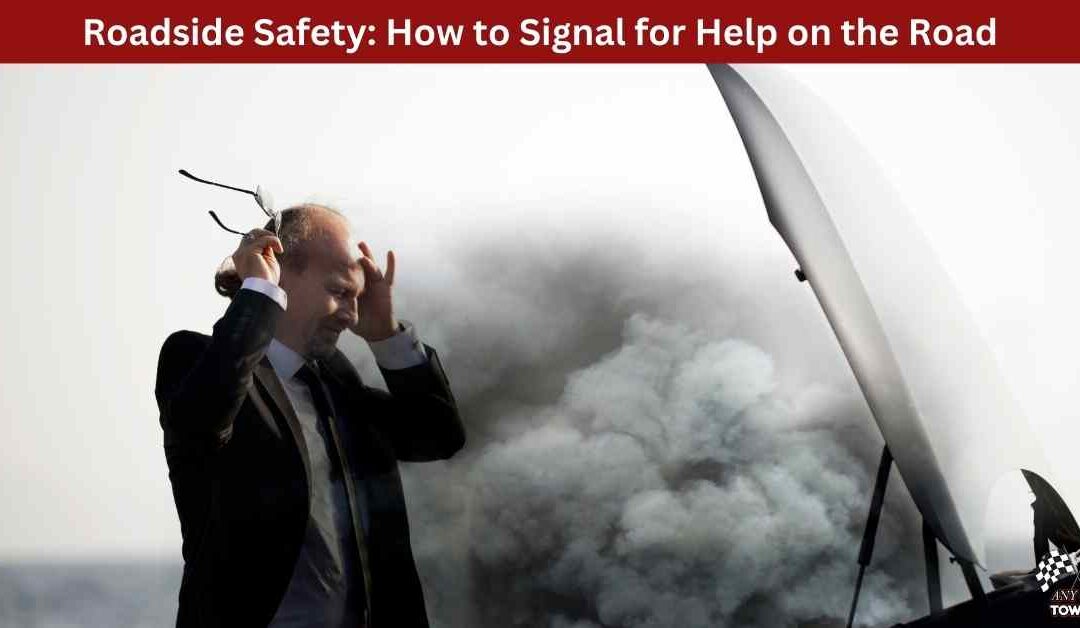
No one plans to be stranded on the side of the road, but emergencies happen. Knowing how to signal for help can be crucial for your safety and getting the assistance you need. Whether it’s a breakdown, a flat tire, or any unforeseen circumstance, these universal distress signals can make a significant difference in getting attention and aid.
- Hazard Lights: The Universal SOS
The most widely recognized signal for roadside trouble is activating your hazard lights. This immediately signals to other drivers that you’re experiencing an issue and need assistance. Turn them on promptly to alert others and increase your visibility.
- Raising the Hood
Popping the hood of your vehicle is another visual indicator that something is wrong. It suggests a mechanical issue and might prompt someone passing by to stop and offer help or contact authorities on your behalf.
- Distress Signals
If you don’t have access to your vehicle or if it’s not safe to remain inside, standing away from traffic and signaling distress is vital. Use common distress signals like waving your arms or an object (like a piece of clothing) to attract attention. Always prioritize safety and avoid standing in the path of oncoming vehicles.
- Displaying Signs of Distress
If you have materials like a reflective triangle or a distress flag, use them. Place the reflective triangle behind your vehicle to alert approaching drivers and increase your visibility, especially in low-light conditions. Similarly, waving a distress flag or any bright-colored cloth can help draw attention.
- Call for Help
Always have a charged phone or a backup power source. Call emergency services or roadside assistance immediately. Provide them with your location and a detailed description of your situation to ensure prompt and accurate help arrives.
- Seek Assistance from Passersby Safely
If someone stops to offer help, use caution. Roll your window down slightly and ask them to call for help or use their phone if needed. Don’t exit your vehicle if you feel unsafe, and be wary of sharing personal information.
- Use Roadside Assistance Services
Consider subscribing to roadside assistance services. Many insurance companies or automobile associations offer these services, providing peace of mind in emergencies. These services often include towing, tire changes, and emergency fuel delivery.
- Stay Calm and Stay Safe
Maintain a calm demeanor while signaling for help. Panicking can make the situation more stressful and may impede your ability to make rational decisions. Focus on ensuring your safety and that of any passengers while waiting for assistance.
- Be Prepared
Regular vehicle maintenance and carrying essential roadside emergency supplies can prevent breakdowns and help you manage until help arrives. Items like a spare tire, jack, jumper cables, flashlight, and basic tools can be invaluable in these situations.
Final Thoughts
Roadside emergencies can be unnerving, but knowing how to signal for help can mitigate the stress and increase the likelihood of a swift resolution. By utilizing these universal distress signals and prioritizing safety, you can navigate unexpected situations on the road more effectively, ensuring both your safety and the assistance you need. Remember, staying alert, staying visible, and seeking help promptly are key to managing roadside emergencies.
Now Any Car Towing is available in Sandhurst Victoria 3977, Australia.
Contact Us
Any Car Towing
10 Silvergum Pl, Cranbourne VIC 3977
0413 176 223
Recent Comments