
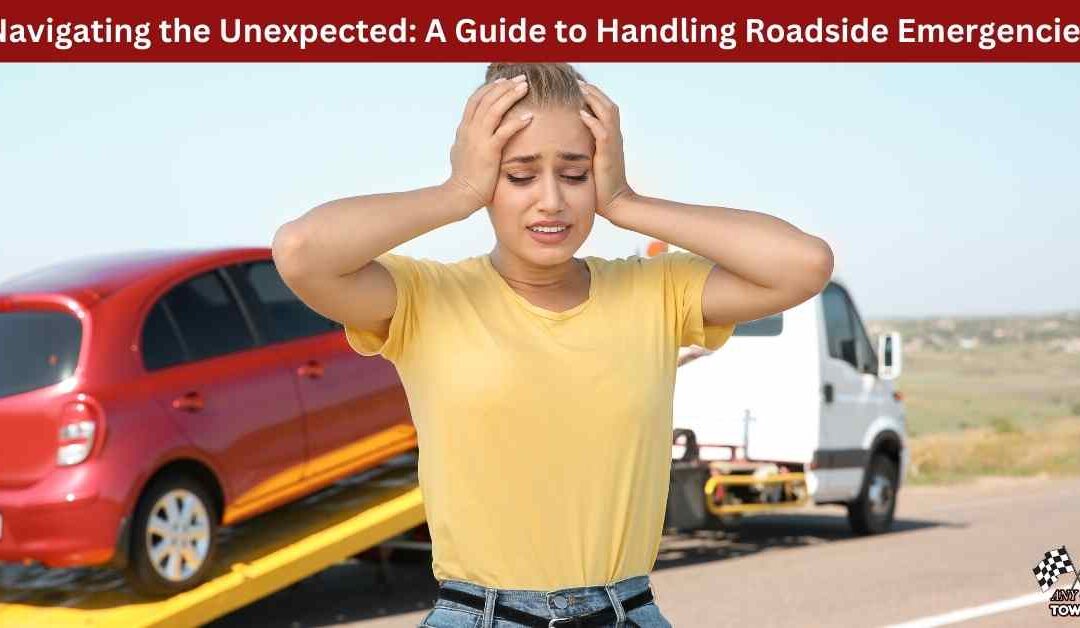
Roadside emergencies are an unwelcome reality of driving, and being prepared for the unexpected can make all the difference in ensuring your safety and minimizing stress. In this blog post, we’ll provide a comprehensive guide on handling roadside emergencies, covering essential steps to take when unexpected situations arise on the road.
Stay Calm and Assess the Situation:
The first and most crucial step is to stay calm. Take a deep breath and assess the situation. Determine the nature of the problem, whether it’s a flat tire, a dead battery, or an accident. Clear thinking is the key to making informed decisions.
Move to a Safe Location:
If possible, move your vehicle to a safe location, such as the shoulder of the road or a designated parking area. Turn on your hazard lights to alert other drivers that you’re experiencing difficulties, especially if you’re unable to move your vehicle.
Call for Assistance:
In the era of smartphones, calling for assistance is easier than ever. Use your phone to call for roadside assistance, a tow truck, or emergency services if necessary. If you’re in an unfamiliar location, provide clear landmarks or use your GPS coordinates to help rescuers locate you.
Share Your Location:
Clearly communicate your location to the dispatcher or assistance provider. If you’re unsure about your exact location, use landmarks, street signs, or a GPS app to provide accurate information. This ensures that help can reach you swiftly.
Assess Safety Risks:
Evaluate the safety risks associated with your situation. If you’re on a busy road, it might be safer to stay inside your vehicle while waiting for assistance. If your vehicle is smoking or there’s a risk of fire, move away from the vehicle and to a safe location.
Basic Tools and Safety Equipment:
Keep a basic toolkit and safety equipment in your vehicle. This may include a jack, lug wrench, jumper cables, flashlight, first aid kit, and reflective triangles. These tools can prove invaluable in addressing minor issues and ensuring your safety.
Contact Someone:
Let someone know about your situation. Inform a friend, family member, or colleague about your roadside emergency, providing details about your location, the issue you’re facing, and any steps you’ve taken. This ensures that someone is aware of your circumstances and can offer support if needed.
Follow Professional Advice:
If you’re in contact with a roadside assistance professional or emergency services, follow their advice carefully. They may provide instructions on how to address certain issues or offer guidance on staying safe while waiting for help to arrive.
Document the Situation:
If it’s safe to do so, take photos of the scene. This documentation can be useful for insurance purposes and may help authorities understand the circumstances if there’s been an accident.
Stay Inside the Vehicle at Night:
If your roadside emergency occurs at night, staying inside your vehicle can be safer. Turn on your interior lights, and keep your doors locked until help arrives. This minimizes the risk of accidents involving passing vehicles.
Handling roadside emergencies requires a combination of preparedness, calmness, and the ability to make informed decisions. By following these essential steps and staying focused, you can navigate unexpected situations on the road with confidence, ensuring your safety and the efficient resolution of the emergency. Remember, being prepared for the unexpected is a fundamental aspect of responsible and safe driving.
Now Any Car Towing is available in Narre Warren Victoria 3805, Australia.
Contact Us
Any Car Towing
10 Silvergum Pl, Cranbourne VIC 3977
0413 176 223
Recent Comments