
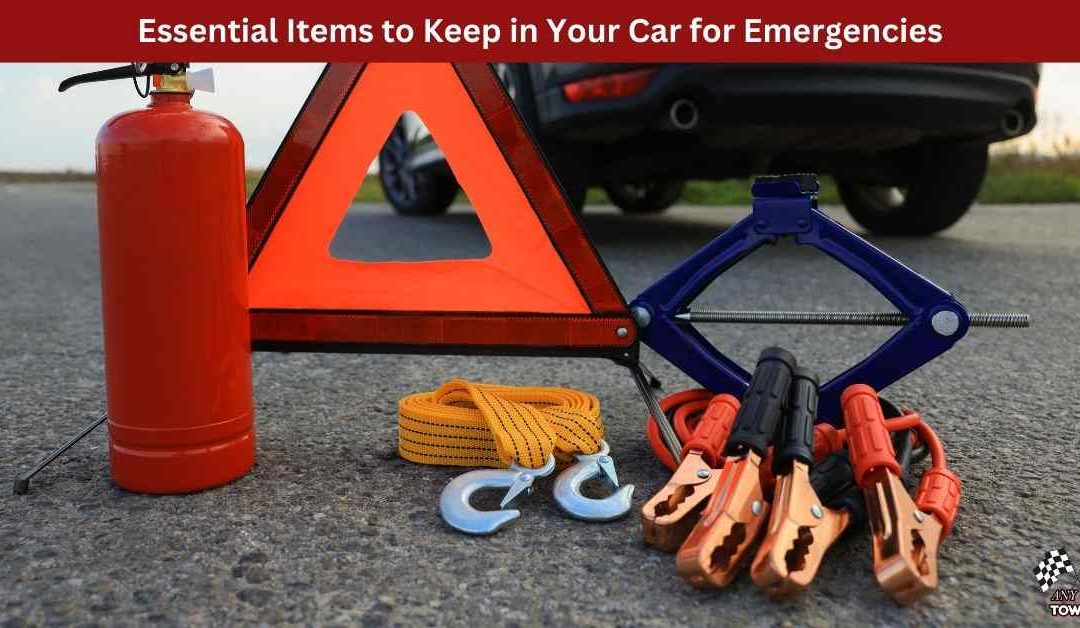
No one plans to break down on the side of the road, but it happens more often than most people expect. A flat tyre, dead battery, sudden weather change, or unexpected delay can turn a normal drive into a stressful situation. Being prepared makes a huge difference, not just for your safety, but for your peace of mind.
Keeping a few essential items in your car can help you stay safe, comfortable, and in control while you wait for help or get yourself moving again.
Why is an emergency kit important for everyday driving?
Many drivers think emergency kits are only for long road trips or remote travel. In reality, most roadside emergencies happen close to home, often during short or routine drives.
Traffic congestion, roadworks, accidents, or sudden mechanical issues can leave you stuck for hours. Having basic supplies on hand helps you handle the situation calmly instead of scrambling for solutions when stress levels are already high.
What are the most important safety items to carry?
Safety should always come first in any roadside emergency.
A reflective safety vest makes you far more visible to passing traffic, especially at night or in poor weather. Warning triangles are also important, as they alert other drivers that a vehicle is stopped ahead.
A torch with spare batteries is essential for night-time breakdowns. Relying on your phone’s torch drains the battery quickly, which you may need later to call for help.
Why should you keep a first aid kit in your car?
Minor injuries can happen during breakdowns or accidents, whether it’s a cut, scrape, or strain. A basic first aid kit allows you to treat small injuries immediately.
Your kit should include bandages, antiseptic wipes, gloves, pain relief, and any personal medications you may need. Even if you never use it, having it available is always worth it.
What tools can help you get moving again?
A few simple tools can turn a major inconvenience into a minor delay.
Jumper leads are one of the most useful items to carry, especially for older vehicles or cars parked for long periods. A flat battery is one of the most common causes of roadside breakdowns.
A tyre pressure gauge helps you monitor tyre health and spot slow leaks before they become a problem. A basic toolkit with screwdrivers, pliers, and a multi-tool can also be handy for small fixes.
If your vehicle came with a spare tyre, make sure you have a jack and wheel brace and that they’re in working order.
Should you carry water and food?
Absolutely. Water is one of the most important items in any emergency kit. Even a short delay in hot Australian weather can lead to dehydration.
Keep sealed bottles of water in the car and replace them regularly. Non-perishable snacks like muesli bars or nuts are also useful if you’re stuck waiting for assistance for an extended period.
These items are especially important if you travel with children, elderly passengers, or pets.
Why is a phone charger essential?
Your mobile phone is your main lifeline during a roadside emergency. If your phone battery dies, calling for help becomes much harder.
A car charger or power bank ensures you can stay connected. Power banks are especially useful if the car’s electrical system isn’t working due to a breakdown.
Keeping emergency contact numbers saved in your phone is also a smart move.
What documents should you keep in your car?
Having important documents easily accessible can save time and frustration during emergencies.
Keep copies of your vehicle registration, insurance details, and roadside assistance information in the glovebox. While digital copies are helpful, having a physical backup is useful if your phone isn’t available.
Knowing who to call and what coverage you have helps speed up the process when help is needed.
Should you carry weather-related items?
Weather can change quickly, and being unprepared makes emergencies more uncomfortable.
A lightweight rain jacket or poncho helps if you need to step outside in wet conditions. A blanket is useful during cold nights or if you’re waiting in the car for an extended period.
In hot conditions, sun protection such as a hat or sunscreen can also be helpful if you’re stuck outside the vehicle.
Why is a car emergency kit important for long trips?
Long drives increase the chance of encountering unexpected issues, especially in regional or remote areas. Services may be limited, and help can take longer to arrive.
An emergency kit gives you the confidence to handle delays safely and comfortably. It also reduces panic, which often leads to rushed decisions and unnecessary risks.
How often should you check your emergency supplies?
An emergency kit isn’t something you pack once and forget about. Check it every few months to make sure items are still in good condition.
Replace expired food, water, medications, and batteries. Make sure tools are complete and working. This quick check ensures everything is ready when you need it most.
When should you call for professional help?
Even with the best emergency kit, some situations require professional assistance. If your vehicle won’t start, has significant damage, or feels unsafe to drive, calling roadside assistance or a tow truck is the right choice.
Trying to push through a serious issue can lead to further damage or put you at risk. Experienced tow operators can safely move your vehicle and help resolve the situation quickly.
Being prepared for emergencies doesn’t mean expecting the worst. It means giving yourself the tools to handle the unexpected with confidence. A well-stocked emergency kit keeps you safer, reduces stress, and ensures you’re never completely stuck when things don’t go to plan. With a little preparation, even roadside surprises become far easier to manage.
Now Any Car Towing is available in Upwey Victoria 3158.
Contact Us
Any Car Towing
10 Silvergum Pl, Cranbourne VIC 3977
0413 176 223
Recent Comments