
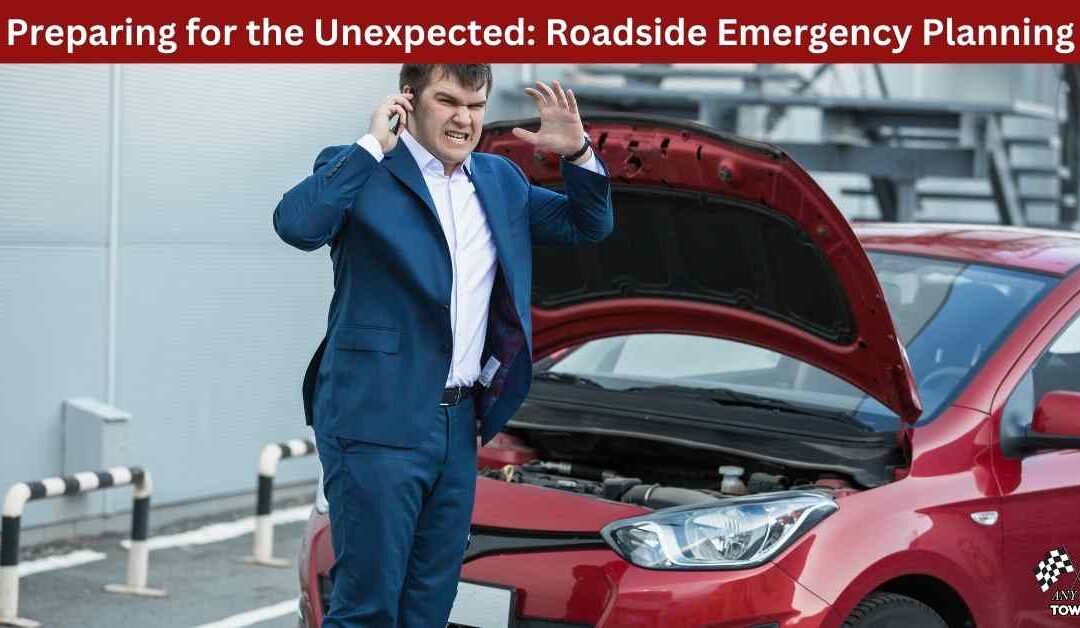
Roadside emergencies can strike at any moment, turning a routine drive into a stressful situation. However, proactive planning can mitigate risks and ensure a safer, smoother resolution to unforeseen challenges on the road. Here’s a comprehensive guide to preparing for and handling roadside emergencies:
- Regular Vehicle Maintenance
Routine maintenance significantly reduces the likelihood of roadside breakdowns. Prioritize:
- Scheduled Servicing: Adhere to your vehicle manufacturer’s recommended maintenance schedule.
- Fluid Checks: Regularly inspect oil, coolant, brake fluid, and windshield washer fluid levels.
- Tire Care: Monitor tire pressure and tread wear. Replace tires as needed and keep a spare tire in good condition.
- Creating an Emergency Kit
Assembling a well-equipped emergency kit can be a lifesaver. Include:
- Basic Tools: Screwdrivers, pliers, wrenches, and a tire pressure gauge.
- Emergency Supplies: Reflective triangles, flashlight, spare batteries, a first aid kit, and a multi-tool.
- Vehicle-Specific Items: Jumper cables, tire jack, lug wrench, and spare fuses.
- Roadside Assistance Membership
Consider subscribing to a roadside assistance program. Many providers offer towing, jump-starts, fuel delivery, and lockout assistance, providing peace of mind during emergencies.
- Stay Informed and Connected
- Know Your Vehicle: Understand your vehicle’s manual, including instructions on tire changes and jump-starting.
- Emergency Contacts: Keep a list of emergency contacts, including roadside assistance, insurance provider, and local authorities.
- Safe Driving Practices
Prevention is key. Adhere to safe driving practices to minimize the risk of roadside incidents:
- Regularly Check Mirrors: Remain aware of your surroundings and potential hazards.
- Maintain Safe Distances: Keep a safe distance from other vehicles to avoid collisions.
- Watch for Warning Signs: Heed any unusual sounds, dashboard warnings, or changes in vehicle performance.
- Handling Roadside Emergencies
- Stay Calm: Panicking can impede your ability to make rational decisions. Stay composed and assess the situation.
- Safety First: Move to a safe location away from traffic if possible. Use hazard lights and warning triangles to increase visibility.
- Seek Assistance: Contact roadside assistance or emergency services promptly if needed.
- Regular Reviews and Updates
Regularly review and update your emergency kit and vehicle preparedness. Replace expired items and ensure all tools are in working condition.
Final Thoughts
Preparing for roadside emergencies involves a combination of proactive measures, awareness, and readiness to handle unexpected situations. By staying informed, maintaining your vehicle, and equipping yourself with essential tools and resources, you can significantly reduce the impact of roadside mishaps. Remember, a well-prepared driver not only navigates the roads with confidence but also ensures a safer and more secure journey for themselves and others.
Now Any Car Towing is available in Devon Meadows Victoria 3977, Australia.
Contact Us
Any Car Towing
10 Silvergum Pl, Cranbourne VIC 3977
0413 176 223
Recent Comments