
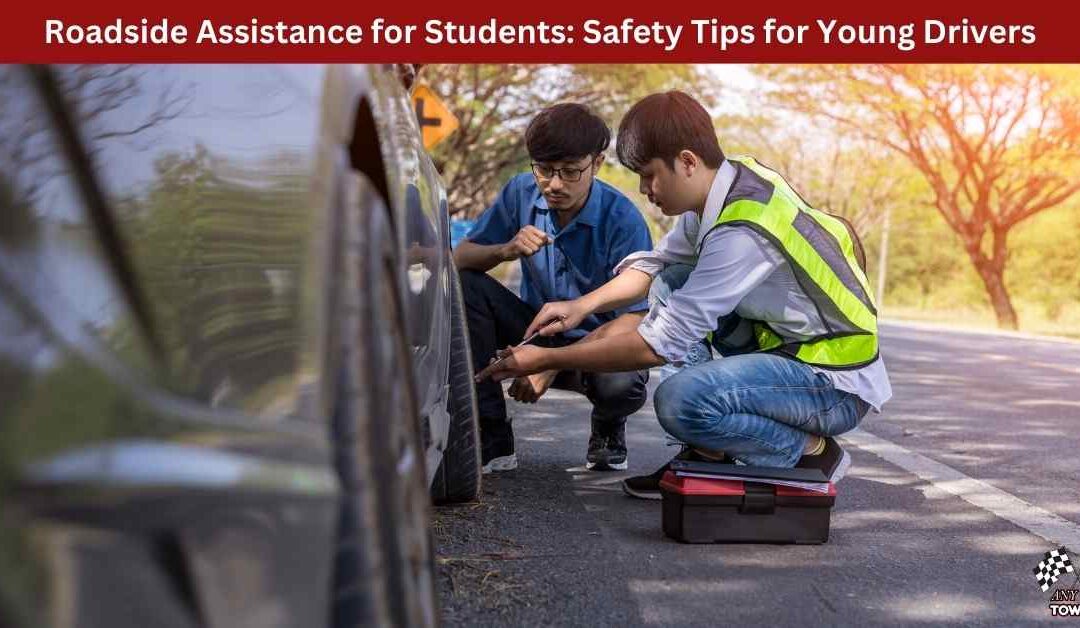
Being a student driver can be both exciting and daunting. As young drivers navigate the challenges of driving, having a reliable roadside assistance plan is essential for their safety and peace of mind. Roadside assistance can provide help in various situations, from flat tires to fuel shortages. Here are some important safety tips and best practices to help student drivers stay safe on the road and make the most of their roadside assistance services.
1. Understand Your Roadside Assistance Plan
Before hitting the road, it’s crucial to understand your roadside assistance plan fully. Here are some aspects to consider:
- Coverage Details: Know what services your plan covers, such as towing, tire changes, fuel delivery, lockout assistance, and battery jump-starts. Familiarizing yourself with these services can help you respond quickly in an emergency.
- Contact Information: Keep your roadside assistance contact number saved in your phone for quick access. It’s also helpful to write it down and keep it in your glove compartment.
- Policy Limitations: Be aware of any limitations or restrictions in your plan, such as maximum towing distances, number of service calls allowed per year, and specific vehicle eligibility.
2. Stay Prepared with an Emergency Kit
An emergency kit can be a lifesaver in roadside situations. Make sure your vehicle is equipped with the following essentials:
- First Aid Kit: Include band-aids, antiseptic wipes, gauze, and any personal medications.
- Tools: Have basic tools like a tire iron, jack, flashlight, and jumper cables on hand. These can be useful for minor issues.
- Emergency Supplies: Pack non-perishable snacks, water, a blanket, and a portable phone charger.
- Roadside Flares: Flares or reflective triangles can alert other drivers to your presence and keep you safe if you’re stranded on the roadside.
3. Practice Safe Driving Habits
Safety on the road begins with good driving habits. Here are some tips for young drivers:
- Stay Focused: Avoid distractions such as texting, eating, or using your phone while driving. Keep your attention on the road.
- Follow Speed Limits: Obey posted speed limits and adjust your speed according to road conditions. Speeding increases the risk of accidents and can result in towing if you’re pulled over.
- Use Your Seatbelt: Always wear a seatbelt and ensure all passengers do as well. This simple habit can significantly reduce the risk of injury in case of an accident.
- Plan Your Routes: Before heading out, plan your route and avoid driving in unfamiliar or unsafe areas, especially at night. Use GPS or map apps to navigate.
4. Know What to Do in an Emergency
In the event of a roadside emergency, staying calm and knowing the steps to take can make a significant difference:
- Pull Over Safely: If you experience a flat tire or mechanical issue, safely pull over to the shoulder or a nearby parking lot away from traffic.
- Assess the Situation: If it’s safe, assess the problem. If you can address it (e.g., changing a flat tire), do so carefully. If not, call for roadside assistance.
- Contact Roadside Assistance: When calling for help, provide the operator with clear and accurate information about your location and the issue you’re experiencing. If you’re unsure where you are, use landmarks or GPS coordinates.
- Stay in Your Vehicle: If you’re waiting for assistance on a busy road, it’s generally safer to remain inside your vehicle with your seatbelt fastened.
5. Build Your Driving Knowledge
Increasing your knowledge about driving and vehicle maintenance can help you stay safe on the road. Here are some tips:
- Take a Defensive Driving Course: Consider enrolling in a defensive driving course to learn safe driving strategies and techniques for avoiding accidents.
- Learn Basic Vehicle Maintenance: Familiarize yourself with basic vehicle maintenance, such as checking oil levels, tire pressure, and coolant. Understanding your vehicle can help you identify potential issues before they become serious problems.
- Ask for Guidance: Don’t hesitate to seek advice from experienced drivers, such as family members or friends. They can provide valuable tips and insights based on their experiences.
6. Conclusion
Roadside assistance is an invaluable resource for student drivers, offering peace of mind during their journeys. By understanding your roadside assistance plan, staying prepared with an emergency kit, practicing safe driving habits, knowing how to handle emergencies, and building your driving knowledge, you can navigate the roads confidently and safely. Remember, being proactive about safety can make all the difference in ensuring a positive driving experience for young drivers. Stay safe, and enjoy the journey!
Now Any Car Towing is available in Mornington Victoria 3931, Australia.
Contact Us
Any Car Towing
10 Silvergum Pl, Cranbourne VIC 3977
0413 176 223
Recent Comments