
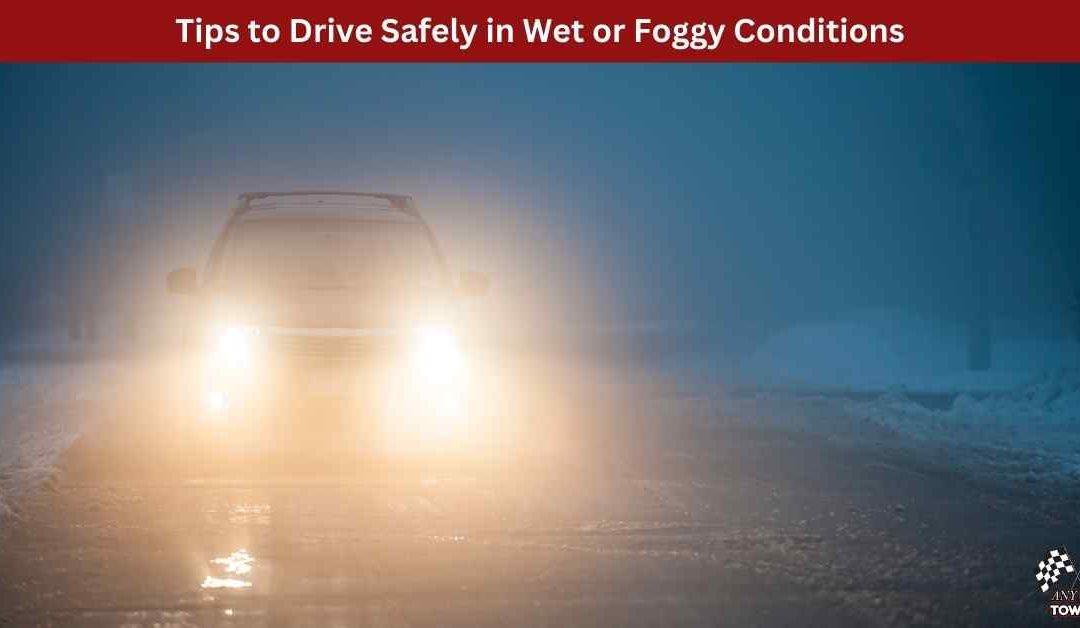
Wet roads and foggy conditions are two of the most common causes of accidents on Australian roads. Rain reduces grip, fog limits visibility, and together they can quickly turn a normal drive into a stressful experience. While we can’t control the weather, we can control how we drive in it.
Knowing how to adjust your driving style in wet or foggy conditions helps you stay safe, protect your vehicle, and avoid unnecessary breakdowns or accidents.
Why is driving in wet or foggy weather more dangerous?
When roads are wet, tyres lose traction and stopping distances increase. Even light rain can make roads slippery, especially after a long dry spell when oil and debris rise to the surface.
Fog creates a different challenge. It reduces visibility, making it harder to judge distances, spot hazards, and react in time. Drivers often underestimate how quickly conditions can change, especially in early mornings or near coastal and rural areas.
How should you adjust your speed in wet conditions?
The simplest and most effective change is slowing down. Speed limits are set for ideal conditions, not heavy rain or fog.
Driving slower gives your tyres more time to grip the road and gives you more time to react to sudden hazards. Sudden braking on wet roads can cause skidding, so maintaining a steady, reduced speed is far safer than stopping abruptly.
If visibility drops or rain becomes heavier, reduce your speed further. There’s no benefit in rushing when conditions are unsafe.
What is aquaplaning and how can you avoid it?
Aquaplaning happens when your tyres lose contact with the road surface and ride on a thin layer of water. This causes a complete loss of steering and braking control.
To reduce the risk:
- Keep your tyres properly inflated
- Replace tyres with worn tread
- Avoid sudden steering or braking
- Drive in the tracks left by vehicles ahead when safe
If aquaplaning does occur, ease off the accelerator gently and avoid turning the steering wheel until control returns.
How much following distance should you allow?
In wet conditions, you should double your normal following distance. In heavy rain or fog, even more space is safer.
Extra distance gives you more time to react if the car ahead brakes suddenly or hits standing water. Tailgating is especially dangerous in poor conditions, as visibility and stopping ability are already reduced.
A good rule of thumb is to count at least four seconds behind the vehicle ahead in wet weather, and more if visibility is poor.
What lights should you use in rain and fog?
Using the correct lights helps you see and be seen without causing glare.
In rain, turn on your headlights so other drivers can spot you more easily. In fog, use low-beam headlights or fog lights if your vehicle has them.
Avoid using high beams in fog. The light reflects off the fog and reduces visibility even further. Keeping your lights clean also makes a noticeable difference during poor weather.
How do windscreens and wipers affect safety?
A clear windscreen is essential in wet or foggy conditions. Worn wiper blades smear water and reduce visibility, making it harder to spot hazards.
Check your wipers regularly and replace them if they leave streaks or skip across the glass. Keep your windscreen washer topped up with proper fluid, not just water, to remove dirt and grime.
Using the demister correctly helps prevent fog buildup inside the vehicle, which can be just as dangerous as fog outside.
How should you handle corners and braking?
Wet roads reduce grip, especially when turning or braking. Slow down before entering corners rather than braking mid-turn.
Brake gently and earlier than usual. Sudden braking increases the risk of skidding, particularly on painted road markings, metal surfaces, and leaves, which become extremely slippery when wet.
Smooth inputs on the steering wheel, accelerator, and brakes keep the car balanced and stable.
What should you do if visibility becomes extremely poor?
If rain or fog becomes so heavy that you can’t see clearly, the safest option may be to pull over when it’s safe.
Use your hazard lights only when stopped or moving very slowly due to an emergency. Find a safe location well away from traffic, such as a rest area or service station, and wait until conditions improve.
Never stop in a live lane or on a blind corner.
Are vehicle checks more important in bad weather?
Yes, absolutely. Wet and foggy conditions highlight any weaknesses in your vehicle.
Good tyres with proper tread depth improve grip. Functional brakes help maintain control. Working lights, indicators, and demisters ensure visibility and communication with other drivers.
Regular vehicle maintenance reduces the risk of breakdowns when conditions are already challenging.
When should you call for help instead of continuing to drive?
If your vehicle starts behaving unpredictably, warning lights appear, or visibility becomes too dangerous, continuing to drive may not be worth the risk.
Calling roadside assistance or a tow truck can be the safest decision, especially if your car stalls, overheats, or feels unstable in wet conditions. Professional operators are equipped to handle recoveries in poor weather and help get you out of harm’s way.
Driving in wet or foggy conditions requires patience, awareness, and a calm approach. Slowing down, increasing following distance, using the correct lights, and keeping your vehicle in good condition all play a role in staying safe. Bad weather doesn’t have to mean bad outcomes, as long as you adjust your driving and make smart decisions when conditions change.
Now Any Car Towing is available in Springvale Victoria 3171.
Contact Us
Any Car Towing
10 Silvergum Pl, Cranbourne VIC 3977
0413 176 223
Recent Comments