
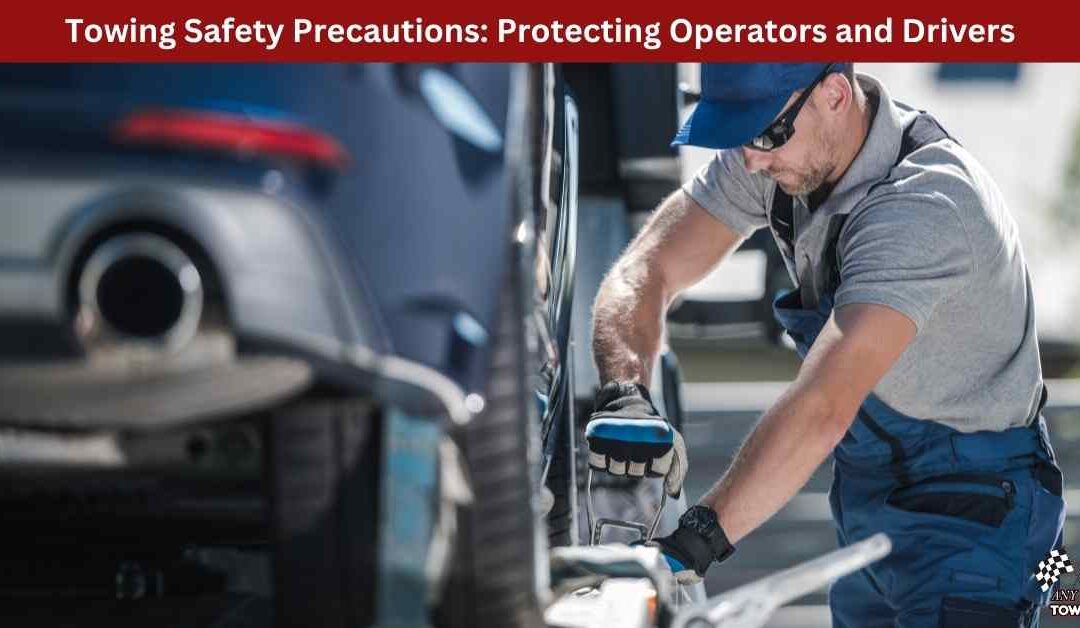
When it comes to towing, safety is everything. Tow truck operators face unpredictable environments—busy highways, extreme weather, or even roadside breakdowns at night. At the same time, drivers who need towing are often stressed and unsure of what to do while waiting for help. That’s why safety precautions are essential not just for the operators but also for the people they assist.
Let’s talk about the key safety measures that keep everyone out of harm’s way.
Why Safety Matters So Much
Towing might look straightforward—hook up the car, drive away—but the reality is very different. Operators deal with heavy machinery, fast-moving traffic, and vehicles that might be stuck in tricky or unsafe spots. A small mistake could put both the operator and the driver at risk.
Think about a tow truck on the side of a freeway: cars are flying past at 100 km/h, and one wrong step could spell disaster. Precautions aren’t just guidelines; they’re lifesavers.
Precautions for Tow Truck Operators
1. High-Visibility Gear
Reflective vests, bright jackets, and even illuminated cones are essential. These make sure passing drivers can see the operator, especially in low light or bad weather.
2. Proper Positioning of the Truck
Operators are trained to park at an angle behind the disabled vehicle, creating a safety buffer. This technique helps deflect traffic and gives them a protected working zone.
3. Regular Equipment Checks
Winches, straps, hooks, and lights need routine inspection. Equipment failure in the middle of a job isn’t just frustrating—it’s dangerous.
4. Following Loading Procedures
Securing vehicles with the right tie-downs and balance prevents shifting during transport. A poorly loaded car can affect braking and steering, creating risks on the road.
Precautions for Drivers Waiting for a Tow
1. Move to a Safe Spot
If possible, drivers should move their car to the shoulder or a safe side street. If the vehicle can’t move, hazard lights should be on immediately.
2. Stay Inside the Vehicle
Unless it’s unsafe, staying inside the car with the seatbelt fastened is usually safer than standing on the roadside. This protects drivers from passing traffic.
3. Communicate Clearly
When calling for towing service, providing accurate details about location and vehicle condition helps the operator prepare properly.
Working Together for Safety
One of the best parts of towing is teamwork. Drivers and operators working together can make a risky situation much safer. For example, when a driver stays calm and follows instructions while the operator sets up cones and reflective markers, the chances of an accident drop dramatically.
Real-World Example
Not long ago, one of our operators responded to a call on a busy Melbourne freeway. The driver had wisely stayed in their car with hazard lights flashing. Our operator parked at an angle with cones set up quickly, creating a safe zone. Traffic slowed down, the car was secured in minutes, and everyone left safely. That’s exactly how precautions prevent incidents.
Safety Is Everyone’s Job
Towing isn’t just about moving vehicles—it’s about protecting lives. From reflective vests and equipment checks to hazard lights and calm communication, every precaution counts. Whether you’re the operator on duty or the driver waiting for help, your actions make the road safer for everyone.
Now Any Car Towing is available in Keysborough Victoria 3173.
Contact Us
Any Car Towing
10 Silvergum Pl, Cranbourne VIC 3977
0413 176 223
Recent Comments